How to smash your novice period

This is the letter I wish I'd been given when I started my novice period as a CT1 anaesthetist to help me through those tumultuous first few weeks.
Dear CT1 anaesthetist
Welcome to the family.
Welcome to the greatest career in medicine, nay - the world - we hope you find it as enjoyable and fulfilling as we do.
Is it going to be easy? Absolutely not.
Is it going to challenge you emotionally, physically and mentally in ways you've never before experienced? Absolutely.
Are you going to smash it out of the park and become the anaesthetist you always dreamed you would be? Of course you are.
Here's how to get the most out of your novice period and kick start your fabulous new career in anaesthesia.
Understand what's expected
Most anaesthetic trainees expect far more of themselves than they realise, and far more than anyone else is expecting of them.
It's easy to jump into your first list and think 'oh man I need to know all this?' and worry that you need to be able to do it all right now.
You absolutely do not.
Turn up. Ask questions. Have a go.
That's it.
Nobody is sat there expecting you to be able to intubate or slip in a spinal within the first few days - far from it - it's a period of time where you're expected to observe how things work and start to get to grips with the job you're learning to do.
The most important thing you're learning
It's logical to think that you're spending your novice period learning to intubate, to put in spinals, and to transfer patients.
And you are.
But these are not the most important things you are learning.
The most crucial skill that you're honing over the next few months is the ability to recognise what you're not happy doing by yourself.
You're calibrating and training your gut instinct by witnessing as many different cases as possible, seeing which ones the consultants say 'this is a good one for you to do', and which ones they say 'I'll do this, it's a difficult airway'.
You need to learn what features make for a CT1-appropriate anaesthetic, and which ones need senior input.
The on call consultant would much rather have a CT1 that phones them to come in because they've recognised this case is high risk, than one that doesn't and just has a go because they think they've learned it all.
So if you feel like you're seeing a whole lot of stuff that you can't do, that's the whole point.
What to do when you fail
If you're doing your novice period right, then you're going to fail a lot, because it's the most efficient and effective way to learn.
You try. You fail. You learn.
This feels ferociously uncomfortable when you're used to being someone who works hard and gets things right nearly all the time. You may have got to this point in your career without really failing at anything ever.
It's time to reframe the definition of 'failing'.
If you come away from an experience where you didn't succeed at the physical procedure, but you now know something you didn't know before, then you haven't failed.
You haven't failed because the goal was never to 'just get the tube in', it was to learn something new, and leave at the end of the day a slightly more knowledgeable version of yourself.
When you fail an intubation
It's totally understandable to come away from a failed attempt at intubation thinking 'I'm bad at this', but really what you want to be doing is thinking:
- What did they do differently, that made it work for them?
- Did they change the position?
- Did they change the laryngoscope?
- Did they just have the confidence to pull a little more firmly with their left hand?
- Was this just a more difficult intubation than expected?
They'll usually tell you what they think made the difference. But if they don't, just ask.
It doesn't come across as weakness, it demonstrates attention to detail and a willingness to learn which is extremely reassuring for a senior to hear.
This way every attempt is either a success, or a valuable learning experience, rather than just a knock to your confidence.
The same goes for cannulas, spinals, you name it - you either succeed, or you learn.
You want to fail as much as possible now, while you have total supervision and minimal responsibility.
- A great anaesthetist isn't the one that lands every spinal in first time, every time.
- A great anaesthetist is the one that knows exactly what they're going to do when their plan A fails, and their plan B fails, and their plan C fails.
Our job is not to get it right first time, it's to be versatile and ensure we're equipped to keep the patient safe when things don't go to plan.
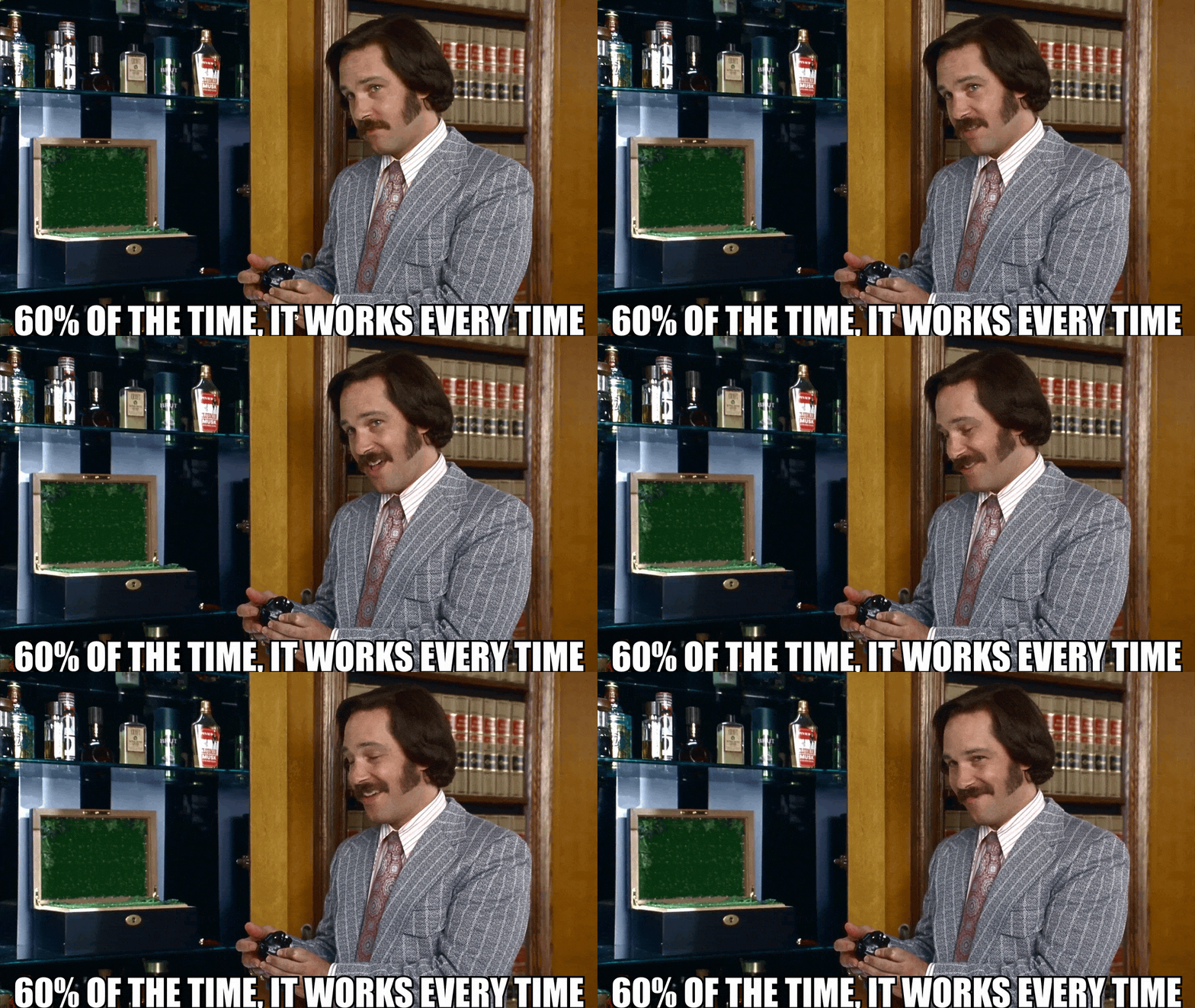
Everyone else is progressing faster than me
No they're not.
And they feel exactly the same.
With very few exceptions, everyone feels like everyone else is sailing through their anaesthetic novice period, smashing in tubes, sniping spinals and landing orange cannulas in the feet like it's nothing at all.
Everyone is struggling.
And everyone has a slightly different experience.
- Sure they've seen more RSIs, but you got involved with a transfer of an intubated patient to CT and ICU
- They've succeeded at more spinals, but you've learned some really useful repositioning and needling troubleshooting techniques
- They've got three DOPS and two ACEXs signed off, but you can actually facemask ventilate a patient
Try not to compare yourself to the other novices in the department, instead compare this week's you with last week's version.
As long as you're slightly better than last Tuesday, then you're golden.
Don't read
You might be tempted, or even encouraged by overly enthusiastic seniors, to try and start reading up on things when you get home from work.
Our advice is don't.
Not to begin with.
Now of course everyone is different, and you're a medical professional who is no stranger to learning vast quantities of complex new information, so please don't feel like this is a rule, it's merely our advice.
The reason you're so exhausted every day when you get home is because you've been absorbing such insane quantities of new information - both consciously and subconsciously - that you just need to let your hippocampus rifle through what it needs and teach it to your prefrontal cortex - i.e. you need sleep.
Get home, chill out, and sleep.
You'll learn far more doing this than by trying to cram pharmacological facts and physiological principles into your working memory after a hard day's work.
But I want to read
Okay fine - but only if you really want to - if you do have the cognitive capacity and find it reassuring to have a little studying under your belt then go ahead.
But don't feel like you have to.
We've written a host of posts to help you get to grips with the basics nice and quickly, which we'd recommend because we wrote them and we're biased.
 Anaestheasier ltd.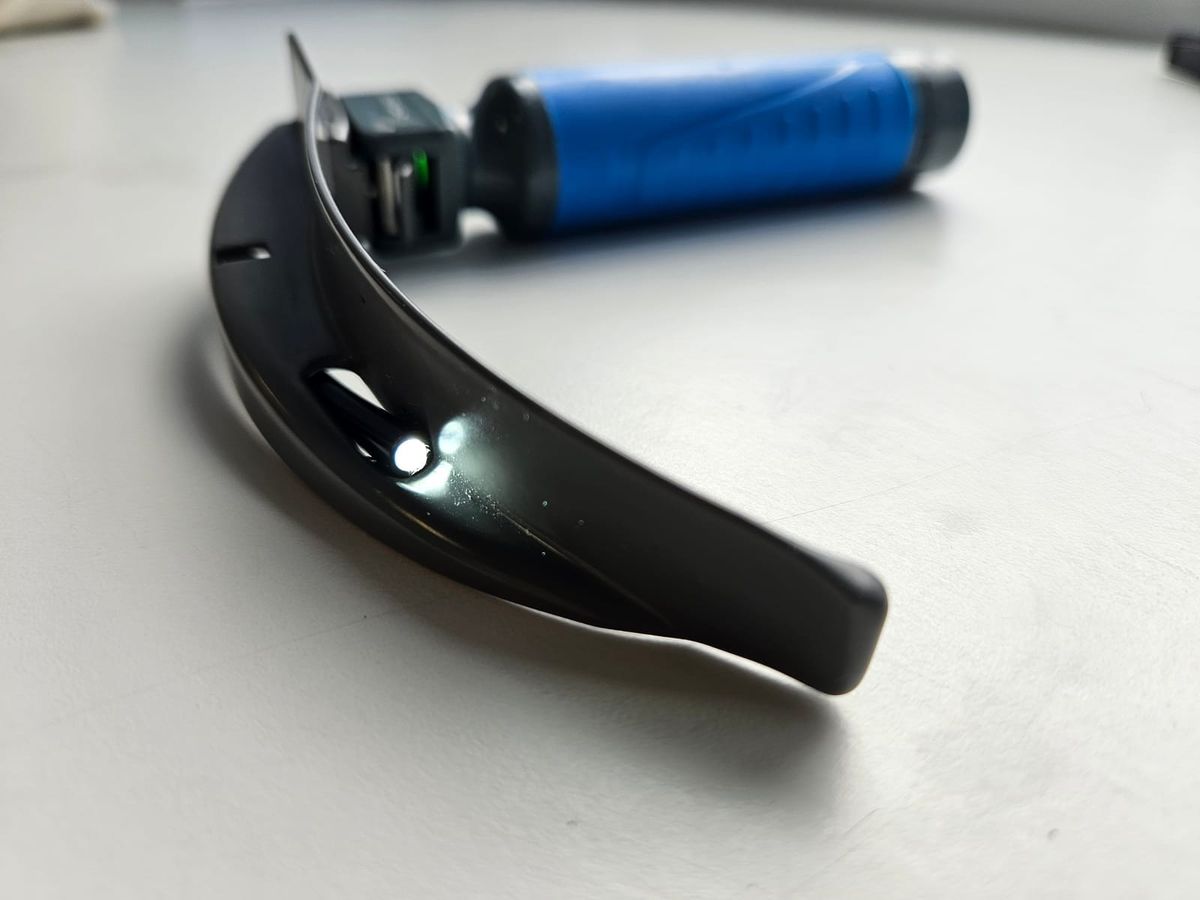
 Anaestheasier ltd.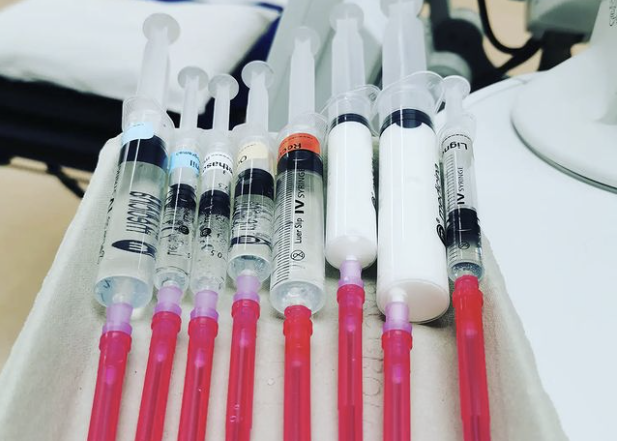
 Anaestheasier ltd.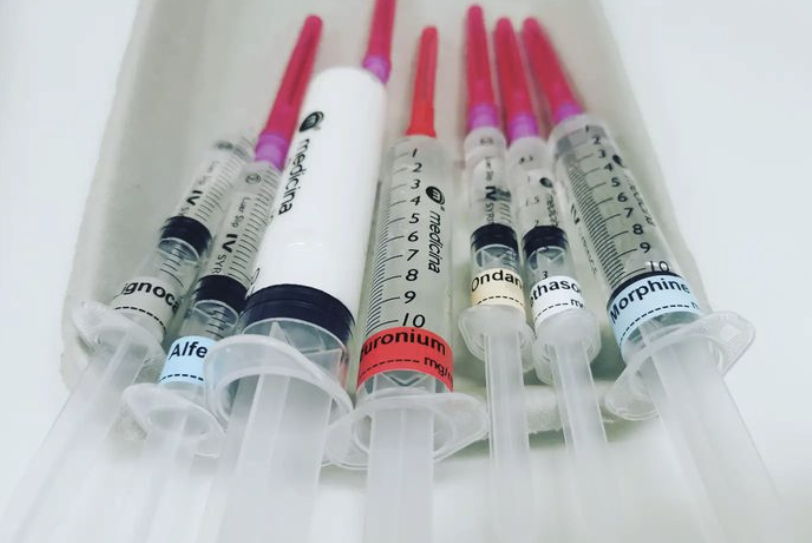
 Anaestheasier ltd.
 Anaestheasier ltd.
 Anaestheasier ltd.
Tell them what you can do
One of the most helpful things that a CT1 anaesthetist has said to me when we've been working together is,
"I've intubated twice with the glidescope, I've never used direct, can I try it out?"
Because I immediately knew what they were able to do, and what would be useful for them on today's list.
Don't be afraid to tell your consultant or senior colleague what you can do, and what you would like to try.
- I'm really struggling with spinals, can you help me practice?
- I'm getting more confident with the videolaryngoscope, can you watch me?
- Can I do as much as possible and you step in if needed?
- I can't seem to cannulate this week, could I ask you to do it so I can focus on the airway?
They're already trying to gauge where you are exactly with your experience and skillset - might as well tell 'em straight up.
Intentional learning
Don't get me wrong, you're going to learn a whole heap of new information just by pitching up and doing what you're told.
Hopefully you get posted with some enthusiastic senior trainees and consultants who actively try and teach you stuff, and you leave each day slightly wiser than when you arrived.
But if you want to get the most out of each list, (and assuming you have the energy to) it pays dividends to be intentional about what you're doing, and really consider what's going on in front of you to gradually build up your understanding of what we do, when, and why.
For each case think specifically about the following:
- Are you using general anaesthesia, regional or a mixture of both?
- Are they fasted or not?
- Is this a well patient, or a really sick one?
- What airway have you used and why?
- What drugs are you using for induction and why?
- How are you oxygenating the patient?
- What ventilator mode are you using and why?
- How are you preventing nausea and vomiting?
- How are you managing their pain?
These can be questions you ponder to yourself, or ones that you can fire at the consultant you're working with.
I guarantee they'll be delighted that you're asking them, because it shows you're thinking more deeply about what the role of the anaesthetist is, and all of the little things we think about when we're doing our job.
And you'll start to notice patterns:
- Laparoscopic appendix is tube, rocuronium, co-amoxiclav, morphine
- Surgical management of miscarriage is igel, propofol, fentanyl
- Stable laparotomy is spinal or epidural, then tube
- Unstable laparotomy is ketamine RSI
You'll spot the patterns sooner if you ask about them.
But the consultants all do things completely differently!
Yup, that's going to be an ongoing theme here.
- Surgeons are robots, learning how to perform the correct set of steps as smoothly and efficiently as possible
- Anaesthetists are chefs, figuring out their favourite ways to cook up a wonderful experience for the patient in front of them
This is one of the greatest things about our line of work, in that there's no one right way to do things.
An anaesthetic registrar is totally free to try throwing a little magnesium and clonidine into their analgesic cocktail, and substituting fentanyl and morphine with alfentanil, ketorolac and a regional block to see if it works better for this particular patient and procedure.
If a surgical registrar took the same approach to their appendicectomy they'd be removed from the theatre fairly promptly.
It's wonderful being able to turn up to work and think 'how will I do things today? I might try Dr Green's technique that she told us about at the audit meeting'.
Very few medical careers offer this kind of creative expression and exploration.
However
As a novice it is mindblowingly infuriating when all you want is to learn how to not kill someone, and you've got Dr Fitzgerald telling you the exact opposite of what Dr Brown told you yesterday.
We know how frustrating this is, because we've been there.
The short answer is this
You can anaesthetise a very large number of patients safely using:
- Propofol
- Fentanyl
- Rocuronium
- Tube
- Sevoflurane
- A bit of metaraminol or ephedrine
If the patient in front of you can't be safely anaesthetised like this, it's not a case you should be doing alone.
Focus on what they agree on:
- You're always intubating for an unfasted bowel operation
- You're definitely not putting a spinal in a septic laparotomy patient with a systolic of 89 mmHg
- You're always going to want more than a blue cannula for major head and neck surgery
- You're not doing this obese prone spinal case on an igel
These are the really key important points to get right.
The 'nitrous is evil/good/misunderstood' and 'TIVA vs sevo' and 'how frequently are you measuring blood pressures' and 'how to put a cannula dressing on properly' are all esoteric quirks that we adopt to make ourselves feel special and clever.
Over time you'll get used to the quirks:
- Dr Brown always uses a supraglottic airway for cholecystectomies
- Dr Fitzgerald uses atracurium for apparently everything
- Prof Nugent gives double the dose of remifentanil that Dr Stevens uses, but somehow both of their techniques work
- Dr Ahmed puts clonidine in the paracetamol but says you probably shouldn't
- Don't you dare try and cannulate Dr Barrett's patients for her
It slowly transforms from frustrating to charming, I promise.
Use your ODP
The ODP or anaesthetic nurse standing next you could almost certainly anaesthetise the patient perfectly safely all by themselves in a pinch.
They are an incredible copilot to have on your team, and have come to my rescue on many occasions.
They have a wealth of experience and knowledge, and their job is to help you do yours as smoothly and slickly as possible.
Use them.
I ask my anaesthetic assistant for their advice on pretty much every list:
- You reckon I'm missing anything?
- We normally use armoured tubes for this right?
- What would you do for this case?
- Is Mr Fordwich quick or is this going to take time?
They're also uniquely positioned to provide you with constructive feedback, because their job is to watch your every move and anticipate what you might need next.
They've seen how tens if not hundreds of anaesthetists work and so can directly compare your technique with multiple others.
- "You could try X, quite a few of the other trainees do that"
- "Dr Brown usually does this list with remi and sevo"
- "Dr Rickard uses an igel for all of his cases but most of the other consultants would intubate"
You're going to be okay
If it feels overwhelming, exhausting, terrifying and an enormous responsibility to take the life of a stranger into your own hands, render them unable to breathe and set them up on life support for several hours before hopefully reversing the process and returning them to the same state they were before - that's because it is.
If it didn't feel overwhelming and terrifying then that's more concerning because it means you're not paying attention.
That's why we're the only specialty with a truly supernumerary novice period to allow you to build a safe skillset - you're not supposed to be able to do this alone yet.
And you're going to do great.
You wouldn't be here if your supervisors, examiners and interviewers didn't think you were up to the task.
So remember
- You don't need to become a brilliant independent anaesthetist by the end of your novice period
- You need to be able to safely administer a simple anaesthetic to a low risk patient
- More importantly you need to be able to recognise what you're not comfortable doing alone
So just try to be a little better each day.
Turn up. Ask questions. Have a go.
You'll get better by accident.
Save these for when you're having a bad day
 Anaestheasier ltd.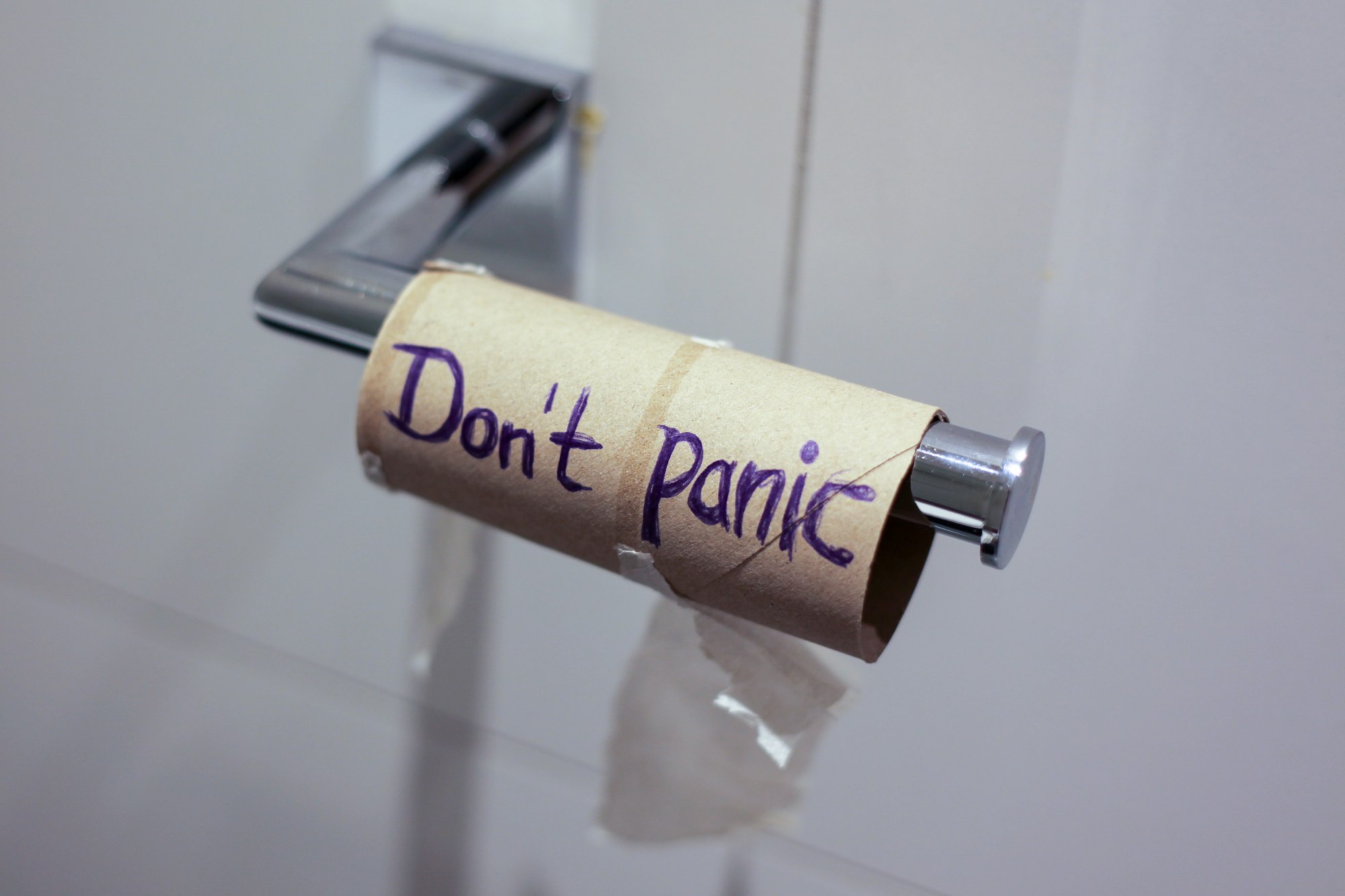
 Anaestheasier ltd.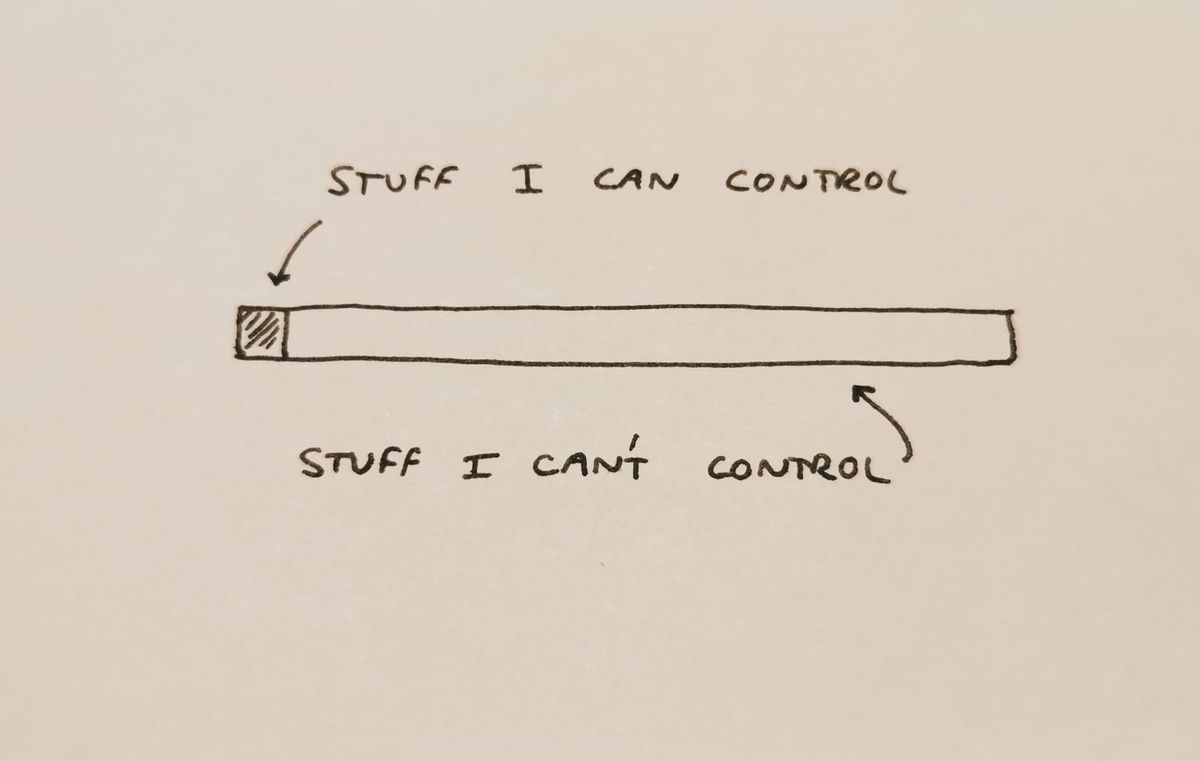
 Anaestheasier ltd.
 Anaestheasier ltd.
Get in touch
We're a couple of anaesthetic registrars who've been exactly where you are now, not too long ago.
We know exactly how you feel.
Feel free to get in touch - either comment or email anaestheasier@gmail.com - with queries, suggestions or concerns.
We'd be delighted to help out.
Other novice posts

Members area
Why you should totally subscribe to Anaestheasier.
 Anaestheasier ltd.
 Anaestheasier ltd.
Just a quick reminder that all information posted on Anaestheasier.com is for educational purposes only aimed at trained professionals, and it does not constitute medical or clinical advice.
Anaestheasier should not be used as a definitive resource for academic writing, please reference original source material.
Anaestheasier® is a registered trademark.