Applied Physiology for the Final
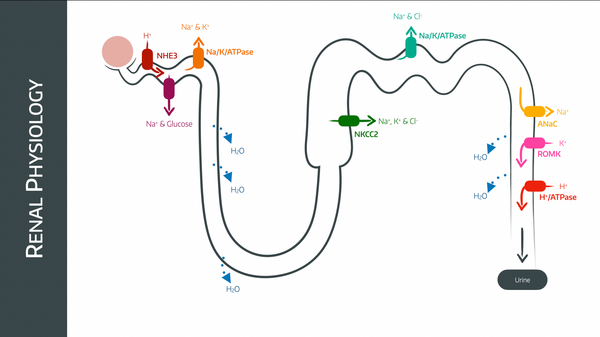
Understanding sodium and the kidney
A spicy journey.
Applied Physiology for the Final
A spicy journey.
Cardiovascular Physiology
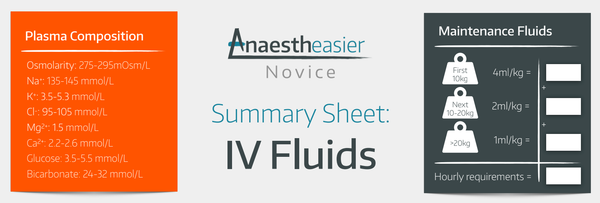
Take home messages * Decide if you're resuscitating or maintaining * Review what impact your fluids are having * Don't give colloids Crystalloids Crystalloids are water-based solutions with added solutes (electrolytes or glucose). They differ in their composition, which determines their distribution throughout the body. * Once the glucose

Resuscitation
Strong ion difference and contraction alkalosis

Intensive Care
I don't want to read this whole post, so just give me a really brief overview What do you do if the patient is really cold and you want to do a blood gas analysis of their acid base balance? Alpha-Stat Method: You accept that pH and

Renal

Renal
Take home messages * Renal metabolic demand is determined by blood flow * Autoregulation occurs via the myogenic reponse and tubuloglomerular feedback, plus some other bits and bobs we don't really understand * The units on the graph don't matter, as long as there's a plateau from

Renal
Take home messages * Kidneys are the most commonly transplanted organ * Be very careful with their fluid balance * Be aware of the immunosuppressant agents you might need to use Podcast episode Finders keepers Surgeons first attempted to take the piss in 1933, in Soviet Russia. It failed due to a lack

Toxicology
Not a lot of people have heard of BRASH syndrome, as it's really only been recognised as it's own thing in the last three or four years, so we decided to do a little post on it here, with the key bits you need to know.

Renal
As we've said before here at Anaestheasier, one of the things people tend to misunderstand about ICU is that we don't really fix all that much, we just buy the patient time. Now, of course we treat them for nasty things, with fluids, antibiotics, steroids etc

Renal
Why you get a hypernatraemic alkalosis