Tranexamic acid

If you're looking for an easy way to insult a surgeon, the following two word question will do nicely:
"Tranexamic acid?"
Because what the surgeon will hear, rightly or wrongly, is:
"You appear incapable of maintaining adequate haemostasis by yourself, and the patient is slowly exsanguinating due to your incompetence, so would you like me to stop the bleeding for you?"
When really what you're suggesting is:
"Hey this patient seems to be oozing a little more than expected and is probably hyperfibrinolytic. I can make everyone's life easier with a safe, low cost drug with a minimal side effect profile."
What I wish I knew
This is a collection of answers to all the questions I had about tranexamic acid, that made me more confident in using it.
The key concept to understand:
How does it actually work?
It's a synthetic analogue of the essential amino acid lysine.

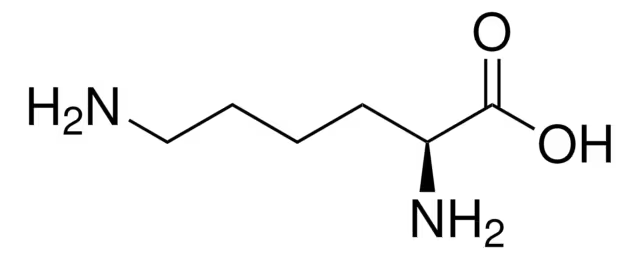
Why do I need lysine to fix bleeding?
During the process of fibrinolysis, when you're breaking down clot that has formed already,
- Plasminogen binds to exposed lysine residues on fibrin molecules
- Tissue plasminogen activator converts any plasminogen that is bound to fibrin into plasmin
- This active plasmin then cleaves the fibrin and breaks the clot down
Tranexamic acid essentially distracts plasminogen and plasmin by occupying the lysine binding sites and stopping them from binding to fibrin.
This means tranexamic acid is antifibrinolytic, not procoagulant. It will help stop clot that has already formed from breaking down, but won't trigger new clot to form.
What TXA does
- Guards and protects fibrin that is already part of a clot
What TXA does not do
- Stimulate coagulation
- Supply fibrinogen
- Correct thrombocytopenia
- Provide clotting factors
- Correct hypothermia
- Fix acidosis
- Contract the uterus
You're going to have to do these yourself.
The reason tranexamic acid seems to make such a difference in trauma is because hyperfibrinolysis makes a substantial contribution to the bleeding problem, presumably because the trauma causes huge release of tissue plasminogen activator from endothelial cells, and this is actually something tranexamic can fix.
A spot of history
1962 was a rather good year for trauma anaesthesia, as it hailed the creation of both ketamine and tranexamic acid.
Japanese husband and wife team, Utako and Shosuke Okamoto were searching for an antifibrinolytic agent to help manage post partum haemorrhage by studying ε-aminocaproic acid.
This molecule was rather good at stabilising blood clots, but had some rather unfortunate drawbacks in the form of rhabdomyolysis and cardiac arrhythmias, as well as triggering coagulation when not asked to do so.
The duo finally managed to synthesise a 10-fold more potent version called:
- trans-4-aminomethylcyclohexane carboxylic acid
Unfortunately for this couple, it took decades before the lifesaving benefits of the drug were truly recognised and it was adopted into mainstream practice.
Why are we giving it?
This might seem like an obvious question - clearly the patient is bleeding - but sometimes it's helpful to explicitly state the exact endpoints that you're trying to achieve:
- Prevent clot breakdown
- Reduce ongoing blood loss
- Reduce transfusion requirement
- Improve the operative field for the surgeon
- Avoid progression from manageable bleeding to major haemorrhage
- Reduce death from haemorrhage
What's great about tranexamic acid?
- Cheap
- Safe
- Widely available
- Tolerable oral bioavailability*
- Stable shelf life*
*These two are very helpful if you want to give it in the prehospital phase.
'Tranexamic Acid' is not one intervention
Are you giving a single gram as an early dose in suspected post partum haemorrhage, are you giving an eight hour infusion in trauma, or the 4g in 24 hours protocol of the HALT-IT regimen?
They all have different pharmacological processes and risk profiles.
This is why there is conflicting advice on whether tranexamic acid causes thrombosis or triggers seizures - it depends on how you're giving it - as well as:
- The patient
- The dose
- Their renal function
- The timing
- The route
- What outcome you're measuring
This is why the different trials seem to give differing results.