Decontamination and sterilisation

This is a woefully dry topic but I can tell you from personal experience that it does indeed get examined, so here we go.
We'll keep it brief, just the bits you need to get through the exam and be done with it.
A spot of history
We've had a vague idea that illness can be transferred from one person to another for rather a long time, even if we didn't know exactly how it worked, because we would isolate sick people from the rest of the group, and there are anecdotes of some medical practitioners boiling their instruments before use.
But it wasn't until the 19th century when we actually got a bit of a grasp on what we were preventing and how.
The tragic story of Ignaz Semmelweis
In 1847, Dr Ignaz Semmelweis figured out that dirty hands were causing fatal infections in maternity wards.
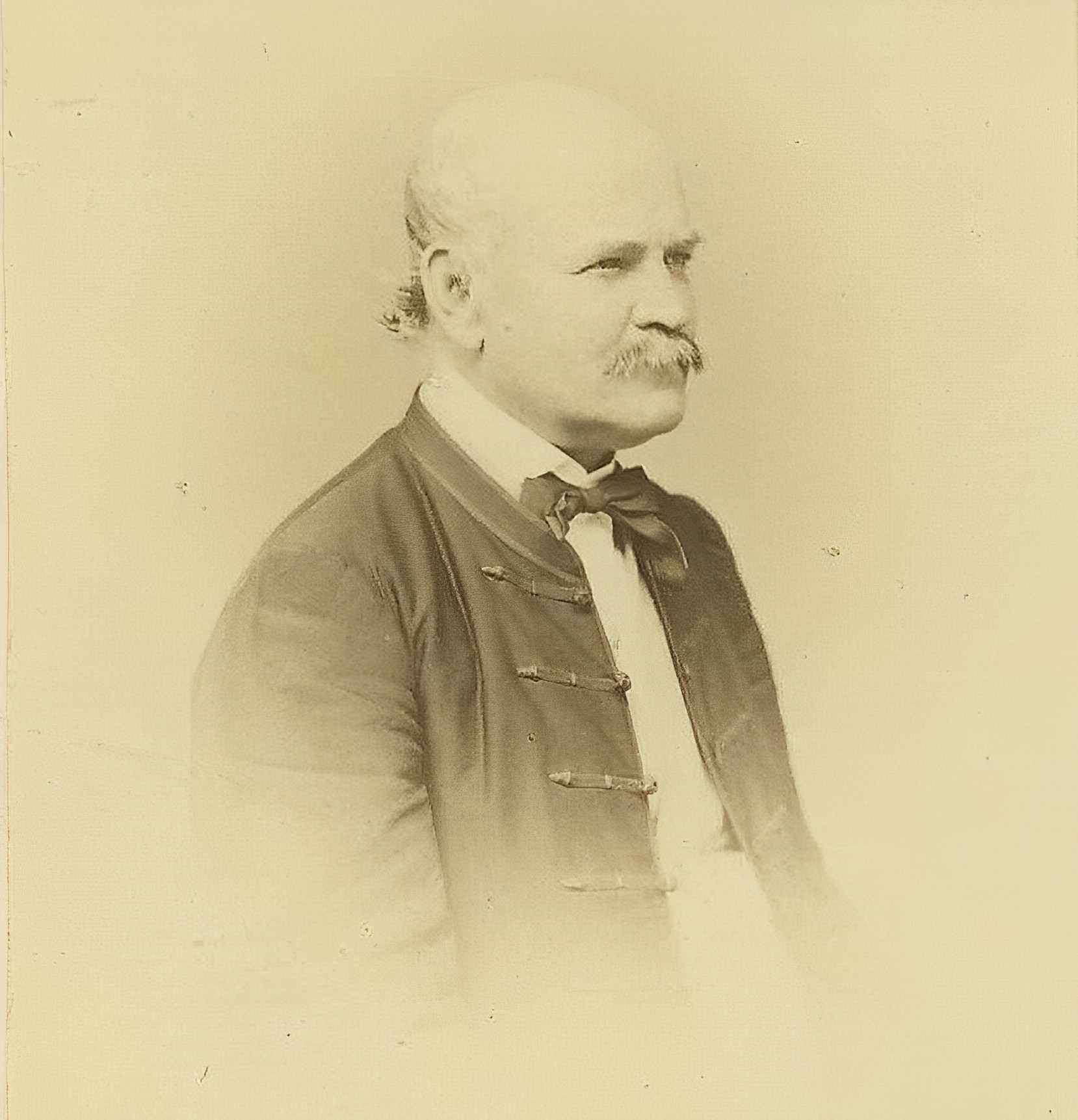
He figured out that doctors were prodding infected dead bodies in the mortuary, then going straight up to labour ward to deliver babies, and weren't washing their hands in between.
He then insisted on doctors in Vienna General Hospital's obstetric clinic washing their hands in a chlorinated lime solution, and found the maternal death rate plummeted from 18% to less than 2%.
Despite this, he was mocked by the medical community, probably because his findings implied that doctors themselves were transmitting fatal infections to their patients, and they weren't all too keen on coming to terms with that idea.
For years he tried to spread the word (insert joke about going viral) but was consistently rejected and abused, leading to a deterioration in his mental health.
Eventually he was committed to a mental asylum, where he ironically died two weeks later of a severe wound infection.
Is our kit to blame?
Hopefully the thought of using a laryngoscope on a second patient without proper cleaning and sterilisation in between makes you shudder.
- Laryngoscopes can transmit pseudomonas and MRSA, so we clean them or use single-use blades
- Breathing systems can transmit hepatitis and TB, so we have bacterial and viral filters in the circuits
- CJD and other prion diseases are still terrifying and it's hard to know what to do about them
- A lot of our kit is single use which is terrible for the environment but makes prevention of infection much easier
How kit is classified
Because the original classification system was so excellent, and also because it's such a boring topic that nobody really wants to go and reinvent it, we still use Spaulding's classification of equipment from 1968.
Kit is divided into three groups:
- Critical
- Semi-critical
- Non-critical
Critical equipment
- Anything that enters human blood or tissue
- High risk of infection if contaminated
- Must be sterile prior to use
Surgical instruments, central lines, urinary catheters, needles etc.
Semi-critical equipment
- Anything that touches a mucous membrane or non-intact skin
- Intermediate risk of infection if contaminated
- Must at least be thoroughly disinfected prior to use
Laryngoscopes, thermometers, breathing circuits etc.
Non-critical equipment
- Anything that touches intact skin
- Low risk of infection if contaminated
- Must at least be cleaned between uses
Blood pressure cuffs, pulse oximeters etc.
The questions you get asked
Enough chat, let's just bash through these so you can get on with your day.
What is decontamination?
The process of removing potentially infective biological matter that renders equipment safe for reuse.
This can be broken down into three main categories:
- Cleaning
- Disinfection
- Sterilisation
What is the cleaning lifecycle of medical equipment?
- Equipment is used
- Sent to sterile services department
- Cleaning +/- disinfection
- Inspection or testing
- Packaging
- Sterilisation
- Storage and transport
Not especially complicated.
What is cleaning?
This is the most crucial bit, as it massively reduces the load of biological material on the equipment before you try and disinfect or sterilise it.
- The physical removal of foreign material including infectious agents and organic matter
- Usually done with cool water and detergent
- Can also use low temperature steam and ultrasonic baths
- This does not necessarily destroy infectious agents
- Cleaning removes biofilm, which otherwise protects microorganisms from disinfectants and sterilisation
Strangely you want the water to be less than 45°C as above this temperature proteins can denature and form a protective coating over the bacteria, making the cleaning less effective.
What's disinfection?
- Reduction of viable microorganisms to a level that is not harmful
- Usually this involves destruction of potentially infective organisms, but not their spores
- The two main techniques are pasteurisation and chemical disinfection
Pasteurisation
This will not kill bacterial spores.
- Soaking in hot water for a set duration to reduce the number of viable organisms, not to kill all of them
- Typically around 80 to 90°C for a defined period
Chemical disinfection
This is quick and cheap but can be corrosive to certain equipment.
- Alcohol 70%
- Chlorhexidine 0.1-0.5%
- Bleach
A 'high level disinfectant' is a chemical agent that can kill bacteria, fungi, mycobacteria and viruses, and may be sporicidal with sufficient concentration and exposure time.
- Glutaraldehyde
- Hydrogen peroxide
- Chlorine
- Peracetic acid
What's sterilisation?
Destruction of all potentially infective organisms and spores. There are numerous ways of achieving this.
Dry heat
- 160°C for 60 mins
Wet heat
- Kills via coagulation
- Most efficient and safest method
- Doesn’t need to be as hot
Autoclave
- Wet heat under high pressure
- 30 minutes at 120°C and 100 kPa
- 10 minutes at 125°C and 150 kPa
- 3 minutes at 135°C and 200 kPa
Chemical
- Ethylene Oxide - flammable colourless gas, takes up to 12 hours,used for heat-sensitive equipment, requires prolonged aeration afterwards because residual gas is toxic
- Glutaraldehyde 2% - non-corrosive, good for endoscopes, takes over 10 hours to achieve sterilisation rather than disinfection
Hydrogen peroxide gas plasma
Fairly new method.
- Highly ionised gas full of ions and free radicals
- This diffuses through packaging and kills everything inside
- Only takes 75 minutes
Gamma Irradiation
- Used for single-use disposable equipment during manufacture
The sterility is measured as a probability that a bug might survive. A sterility assurance level or SAL of 10−6 means there's a one in a million chance that an organism would survive the sterilisation process, and is generally accepted as the allowable level.
What do we do about prions?
Yeah good question.
Prions resist
- steam
- dry heat
- alcohol
- formaldehyde
- UV radiation
They require
- sodium hydroxide
- sodium hypochlorite
- prolonged autoclaving at higher temperatures
Or single-use disposable instruments for high risk tissues.
That's about it, and if you get asked what the most important intervention for preventing the transmission of infection is, it's handwashing.
Syllabus
- PC_BK_90 Principles of hygiene, including cleaning and sterilisation of equipment
References and Further Reading
 Anaestheasier ltd.
Members area
Find all the benefits of paid membership to Anaestheasier here:
 Anaestheasier ltd.
Just a quick reminder that all information posted on Anaestheasier.com is for educational purposes only aimed at trained professionals, and it does not constitute medical or clinical advice.
Anaestheasier should not be used as a definitive resource for academic writing, please reference original source material.
Anaestheasier® is a registered trademark.